










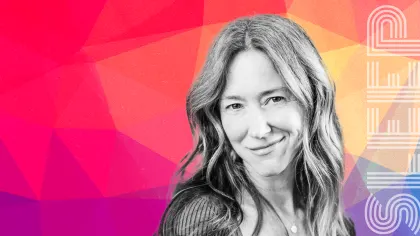
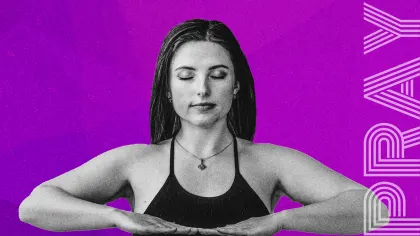
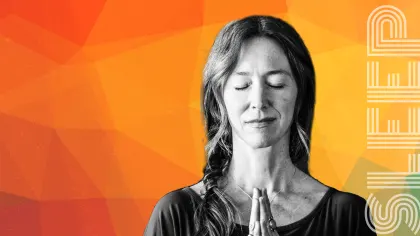








Amelia Thorn

Skylight - Spiritual Self-Care
Featured Practices

Prayer For Health Anxiety With Janis
Janis Guzman • Ep 2 • 01:22
Breathwork For Anxiety With Kelly
Kelly Boys • Ep 1 • 01:33
Divine Choreography With Amelia
Amelia Thorn • Ep 6 • 03:50
Yoga For Self-Love With Bentley
Bentley Fazi • Ep 1 • 07:40
Om Prayer With John
John Salisbury • Ep 3 • 03:57
Meditation For Sleep With Kelly
Kelly Boys • Ep 1 • 10:01
Prayer For Anxiety With Kerry
Kerry Kalu • Ep 1 • 01:51
Affirmations For Anxiety With Sade
Sade Jones • Ep 1 • 01:42
Mindfulness For Stress Relief With a Pet
Emily Wold • Ep 1 
Yoga For Sleep With Amelia
Amelia Thorn • Ep 4 • 04:00Skylight Playlists
Anxiety
Spiritual wellness practices to help you cope with anxiety.
Sleep
Meditations to help you enjoy deep, restful sleep
Stress
Spiritual wellness practices to help you cope with stress.
Lonely
Spiritual wellness practices to help you when you're feeling lonely.
Self-esteem
Spiritual wellness practices to help when you're struggling with your self-esteem.
New On Skylight

Yoga For Self-Esteem With Ellie
Skylight • Ep 2 • 06:07
Prayer For Loneliness With Pam
Skylight • Ep 5 • 02:04
Affirmations For Anxiety With Mikayla
Mikayla Shefchik • Ep 6 • 01:46
Yoga For Self Esteem With Gygi
Gygi Koster • Ep 4 • 04:31
Prayer For Self-Esteem With Esteban
Esteban Senzig • Ep 2 • 01:40
Yoga For Anxiety With Lauren
Lauren Barney • Ep 4 • 05:02
Prayer For Insomnia With Mikayla
Mikayla Shefchik • Ep 3 • 01:23
Meditation For Anxiety With Mikayla
Mikayla Shefchik • Ep 4 • 04:20
Yoga For Self-Esteem With Lauren
Lauren Barney • Ep 2 • 03:34
Affirmations For Health Anxiety With Jess
Skylight • Ep 1 • 01:21Start Your Day
End Your Day
Sleep Better
Daily Affirmations
Daily Prayer
Skylight Music

Spirit Core: Sound Bath
Brandon Hill is a sound bath musician who plays gongs, alchemy crystal bowls, metal Tibetan bowls, and other sound healing instruments to wrap your being in sound and frequencies that have proven effective in easing overall stress, anxiety, and issues with sleep

Spirit Core: Frequency
Explore different sound frequencies to calm your mind and center your soul.
Spirit Core: Sleep
Frequency based music to help you fall and stay asleep.

Spirit Core: Anxiety
Brandon Hill performs a sound bath using a variety of musical instruments designed to help reduce the symptoms associated with stress and anxiety
Spirit Core: Stress
Nicole Tandy plays a variety of instruments in an intentional manner to help invite grounding, healing and a shift in consciousness.

Spirit Core: Ukraine
Ukrainian inspired music featuring Julia Tymochko to help provide calm, peace and hope.
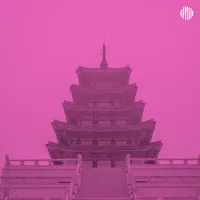
Spirit Core: Korea
Korean inspired music featuring Leeseul to help provide calm, peace and hope.
Skylight Contributors




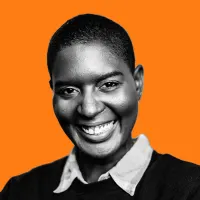


Stretching
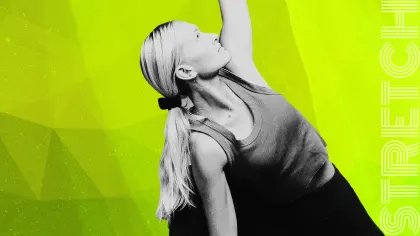
Stretch For Legs With Rehl
Rehl Clarke • Ep 5 • 06:07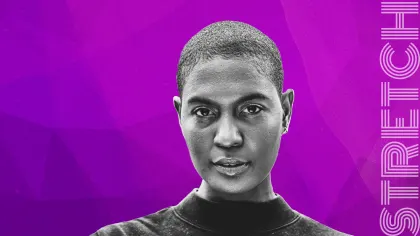
Stretch For Lower Back With Sade
Sade Jones • Ep 3 • 01:35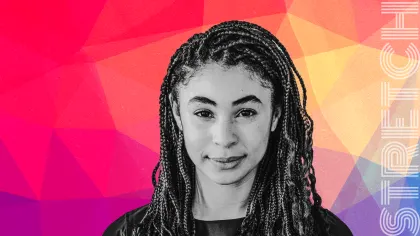
Stretch For Stress With Kerry
Kerry Kalu • Ep 1 • 04:34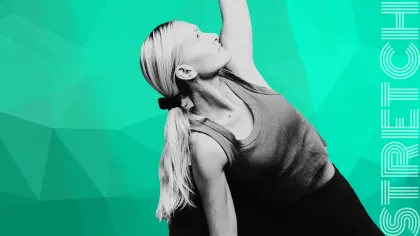
Stretch For Spirituality With Rehl
Rehl Clarke • Ep 9 • 05:13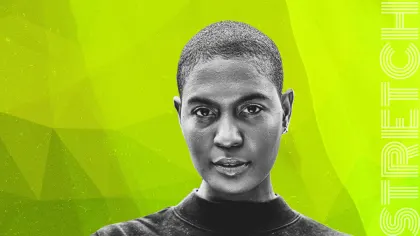
Destress Neck Stretch With Sade
Sade Jones • 03:06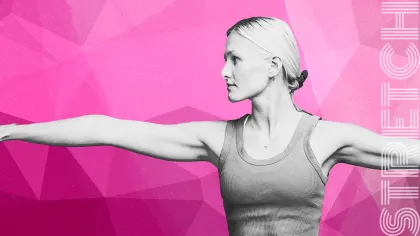
Stretch For Stress With Rehl
Rehl Clarke • Ep 1 • 05:56
Stretch For Resetting With Sade
Sade Jones • Ep 6 • 17:22
Stretch For Winding Down With Rehl
Rehl Clarke • Ep 11 • 04:17
Stretch For Upper Body With Sade
Sade Jones • Ep 6 • 05:51
Stretch For Legs With Sade
Sade Jones • Ep 2 • 01:38Yoga
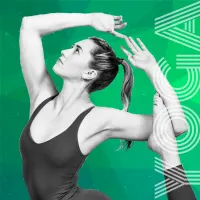
Yoga To Unwind With Amelia
Ep 5 • 01:40

Yoga For Self-Love With Bentley
Ep 1 • 07:40
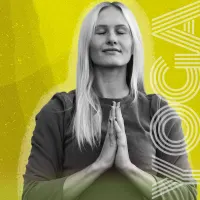
Yoga For Anxiety With Rehl
Ep 1 • 29:17

Yoga For Stress With Elizabeth
Ep 3 • 05:39

Yoga For Self-Esteem With Ellie
Ep 2 • 06:07

Yoga For Self Worth With Yara
Ep 4 • 02:24

Yoga For Self Esteem With Gygi
Ep 4 • 04:31

Yoga For Stress With Kerry
Ep 2 • 04:05
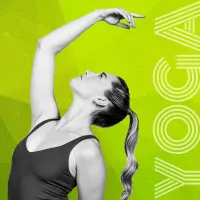
Yoga While You Work With Amelia
Ep 4 • 03:37

Yoga For Strength With Bentley
Ep 4 • 08:37